The Perfect Gift: Testing a Japanese Koi Fish Embroidery Design
As an embroidery designer, every new machine embroidery design I add to my library is a potential new product line for my small business. Before I ever stitch it for a paying customer, I need to see how it performs, how it feels, and what kind of personalized gift it could become. Today, I'm reviewing a Japanese Koi Fish design.
A First Impression of Beauty and Balance
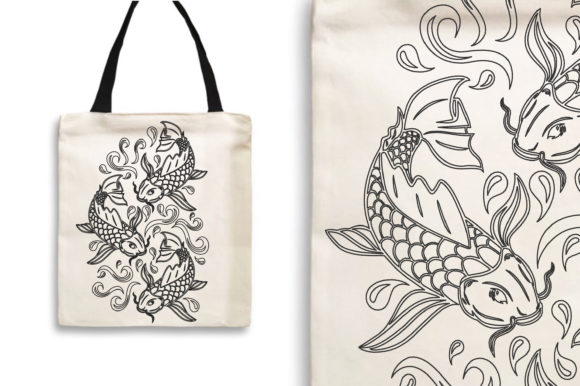
The first thing that strikes me is the mood. This isn't just a fish; it's a symbol. The elegant flow of the koi and the incorporation of the yin-yang symbol create an immediate sense of harmony and calm. It feels both classic and modern. The detail level suggests a design that will stitch out with a lovely handmade quality, not overly simplistic, but not so dense that it becomes stiff. The emotional appeal is strong—it speaks to themes of perseverance, balance, and beauty. This makes it a powerful choice for an embroidered gift meant to carry meaning.
Who Would Love a Gift Featuring This Koi?
Imagine the customer. They’re looking for something more than a generic present. They want a baby blanket for a newborn, imbued with a wish for a balanced and fortunate life. They need a wedding gift that symbolizes the union of two people into one harmonious partnership. They desire a family keepsake, like a pillow cover, to mark a special anniversary. This Japanese Koi Fish design attracts those seeking depth. It’s perfect for the customer who values artistry, symbolism, and a touch of serene elegance.
Bringing the Koi to Life on Personalized Products
The application possibilities are wonderfully broad, which is excellent for a gift shop or Etsy seller. I immediately think of delicate applications like baby embroidery on a nursery item or a soft blanket. For kitchen towels or aprons, it would add a sophisticated, artistic touch far beyond a simple motif. Stitched onto a custom tote bag or pillow cover, it becomes a statement piece of wearable or home decor art. For craft fair products or digital product sellers offering custom embroidery, this design provides a rich, visually appealing option for customer previews. Its thematic strength elevates it from a mere decoration to a focal point.
Practical Considerations for a Perfect Stitch Out
My professional instinct is always to consider where a design might need careful handling. With any design incorporating symbolic detail, I think about scale. If there are any very small lettering or delicate details within the yin-yang element, they might need a precise setup on certain fabrics.
- Fabric Choice: Textured fabric like a thick towel or a stretchy baby knit requires extra attention to stabilizer to preserve those clean lines. A curved surface, like on a cap, would need careful hoop placement.
- Color Contrast: On dark fabric, thread color selection becomes critical to maintain visibility and impact. I always advise testing on both light and dark scrap fabric first.
- Product Durability: For items like aprons or kitchen towels that need frequent washing, checking the stitch density and using robust threads ensures the gift lasts.
These steps aren’t just about technique; they’re about protecting the perceived value and customer trust in your handmade products.
The Giftability Factor: From File to Finished Treasure
How does this Japanese Koi Fish design affect the final product's appeal? A well-executed embroidery transforms a digital embroidery file into a tangible object of perceived value. The craftsmanship shown in a clean stitch out builds immediate customer trust in your handmade quality. The inherent emotional connection of the symbol fosters a deeper buyer engagement—they’re buying a story, not just a stitched image. Even for product photography, a design with this kind of visual interest and clean detail makes for stunning photos that sell the dream of the personalized gift.
My Embroidery Workflow Before the First Customer Order
Before I list this as an option in my shop, I run through a standard checklist. It safeguards my reputation and ensures the client receives a gift they’ll cherish.
- Test on Scrap: I always stitch the design on a scrap of the fabric type I intend to use most, like cotton for towels or jersey for baby clothes.
- Confirm Hoop Size: I check the required hoop size to plan my product sizes—a small hoop design might be perfect for a baby bib, while a larger one suits a blanket.
- Review Stitch Density: A glance at the design file helps me gauge if it’s suitable for delicate fabrics or if it’s better for more stable materials.
- Use Proper Stabilizer: I match the stabilizer to the fabric and design. This is non-negotiable for professional results.
- Check Small Details: After stitching my test piece, I examine any tiny elements to ensure they’re clear and not lost.
- Compare Mockups: Creating digital mockups on light and dark backgrounds helps me and my customers visualize the final product.
- Confirm Licensing: Crucially, I verify the commercial embroidery license terms for this digital embroidery file before I ever sell a finished product. If the details aren't provided upfront, I seek clarification.
This process turns a beautiful file into a reliable, market-ready product for my small shop.
Final Thoughts for Fellow Craft Business Owners
The Japanese Koi Fish machine embroidery design presents a compelling opportunity. It fills a niche for meaningful, aesthetically pleasing custom embroidery. For baby product creators, wedding gift designers, and anyone selling handmade products online or at fairs, it offers a design that can be adapted across a range of items, from embroidered towels to blanket embroidery. Its success hinges, as always, on our diligence as makers. Testing, understanding our materials, and respecting the technical requirements allow us to deliver not just a product, but an experience—a personalized gift that carries both our skill and a beautiful intention. That’s the real magic of what we do.