The Cherry Embroidery Design: A Business-Friendly Review
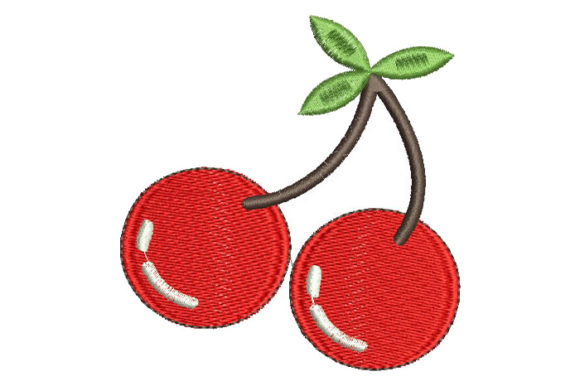
When I first open a new embroidery design file for potential business use, I’m looking beyond just its decorative charm. I’m evaluating it as a brand asset. The Cherry design presents itself with a clear, friendly premise: a sweet pop of color. My initial impression is that this is a playful, approachable, and classic motif. It feels more rustic and handmade than ultra-modern, which is perfect for businesses aiming for warmth and authenticity.
Visual Personality & Brand Alignment
This design’s personality is inherently friendly and professional. The subject matter—a couple of cherries—is universally positive and evokes freshness, natural quality, and a touch of sweetness. For a small business, this is powerful. A café, bakery, florist, or boutique can leverage this imagery to instantly communicate quality and a handmade touch. On a staff apron or a tote bag, it doesn’t just look nice; it subtly reinforces the brand’s values. It builds customer trust through a recognizable, pleasant symbol that feels consistent with businesses dealing in food, crafts, or local goods.
Primary Business Applications
Let’s get practical. Where does Cherry perform best as a business asset?
- Embroidered Patches: This is a top contender. A Cherry patch can be applied to denim jackets, caps, or bags as a standalone brand mark for a small shop or creative studio. It’s ideal for event merchandise or customer gifts.
- Staff Uniforms & Aprons: As a chest logo accent or sleeve detail on work shirts, it provides a professional yet personal touch. On aprons, particularly for food-related businesses, it’s a natural and elegant fit.
- Cap Embroidery: On the front of a cap, it serves as a great, recognizable logo for teams or retail staff. Its likely compact form works well on curved surfaces.
- Tote Bag Design: A single, well-placed Cherry embroidery on a canvas tote instantly elevates it from generic to branded merchandise. It adds product value.
- Product Packaging & Labels: As a small embroidered accent on fabric product tags or packaging for handmade goods, it acts as a premium seal, enhancing the handmade presentation.
Technical Considerations for Production
Before running this machine embroidery design on a commercial project, a professional must do their due diligence. The product description hints at versatility, but a designer’s job is to validate.
Testing for Real-World Use
Here are my standard notes for a design like Cherry:
- Scale it Down First: Always test the embroidery file at a small patch size (like 1.5 inches). Check if the outlines and details remain clear. Tiny lettering, if any, might become problematic.
- Color & Contrast: Review the suggested thread colors. Test a version in monochrome (black and white) on both light and dark fabric to ensure the design holds its form without color, crucial for dark uniforms.
- Hoop Size & Stabilizer: Confirm the minimum hoop size required. Using proper stabilizer is non-negotiable, especially for textured fabrics like knit caps or canvas tote bags to prevent distortion.
- Stitch Density & Fabric: Designs with high stitch density can be stiff and may not suit stretchy fabrics. Test on the actual fabric type you plan to use—a chef’s apron, a polo shirt, etc.
- Create a Printable Mockup: Before production, create a mockup for client approval. This ensures placement and size are perfect and integrates the design with other brand assets.
Potential Limitations & Careful Application
While promising, some areas require careful planning:
- Extremely Small Sizes: If reduced too much for a tiny product label, details like stem connections might blur. Know your minimum usable size.
- High-Wear Items: For items needing frequent washing (like work shirts), ensure the stitch structure is robust and thread colors are durable to maintain visual consistency over time.
- Commercial Licensing: Crucially, always confirm the commercial licensing terms of the digital embroidery file before using it for any business product, merchandise, or uniform. This is a fundamental step.
Elevating Your Brand Identity
Ultimately, adopting an embroidery design like Cherry is a strategic decision. It moves beyond decoration to become part of your brand identity. On uniforms, it fosters team pride and professionalism. On merchandise, it increases buyer engagement by offering a tangible, well-crafted brand symbol. For an Etsy seller or craft business, it adds a layer of authenticity to product photos and the finished product itself. It makes your custom apparel or small business merch look intentional and cohesive.
In summary, the Cherry design is a versatile and brand-positive asset. Its friendly, classic aesthetic suits a wide range of businesses, particularly in the Food and handmade sectors. By rigorously testing its technical performance on target applications and ensuring proper commercial use rights, you can confidently deploy this embroidery to enhance your brand’s recognition, value, and visual story.