Mother Holding Child’s Hand: A Heartfelt Design for Handmade Markets
As an embroidery designer preparing for a weekend craft fair, my first task is to evaluate each design not just for its beauty, but for its potential to become a product that sells. When I look at Mother Holding Child’s Hand, my immediate impression is one of soft, universal emotion. This isn’t a loud, funny, or overly rustic design. It speaks to a quiet, premium feeling of love and connection, which is a powerful niche in the handmade world.
Where This Design Stands Out on the Booth Table
The visual mood of Mother Holding Child’s Hand is gentle and decorative. In a booth crowded with bold florals or festive phrases, this design creates a calming focal point. It appeals instantly to customers looking for a meaningful gift, especially within the Nursery category, but its theme of familial love extends far beyond that. I envision it on a display of handmade products like pillow covers, small fabric pouches for keepsakes, and premium tea towels. It wouldn’t fight for attention on a busy apron, but as a centered, elegant motif on a tote bag or market bag, it elevates the item’s perceived value.
For craft fair sellers, the key is placing it on products where the sentiment can be appreciated up close. A craft fair product like an embroidered patch featuring this design could be a standout, allowing customers to apply that sentiment to their own items. On a pillow cover displayed at the front of the booth, it sets an emotional tone for your entire brand.
Practical Production: From Digital File to Finished Product
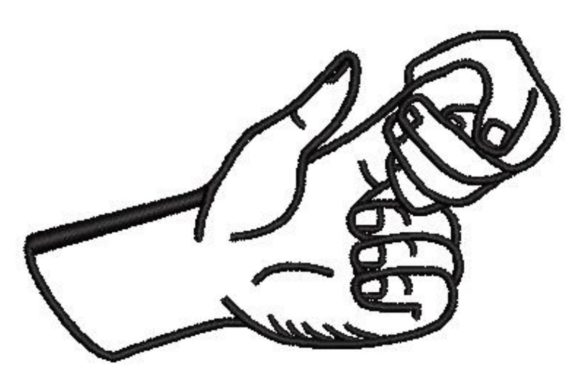
The product description mentions “art line technique” and calls it a “very easy to embroidery design.” This is crucial for production. For an Etsy seller or boutique maker doing batch production, a design that stitches cleanly and quickly is a major advantage. However, the word “applique” is noted. This means the design likely uses fabric pieces for elements, combined with stitching. This adds a lovely tactile, handmade quality, but requires more steps than a pure stitch design.
My practical advice as a professional is to always test the design on scrap fabric first. Match it to the fabrics you’ll use for your craft fair products: cotton for tote bags, linen for tea towels, fleece for caps. Check the stitch density on dense areas to ensure it doesn’t puckered lightweight fabrics. For an item like a textured towel, you’ll need the right stabilizer to keep the lines crisp. Since it’s described as easy, I’d expect it to have good spacing and not overly tiny details, but always confirm this on your machine.
Key Considerations for Different Products
- Tote Bag Design: A large, centered placement works best. The sentimental theme makes it a great gift bag or personal everyday bag. Ensure your hoop size can accommodate the design on the bag’s panel.
- Apron Embroidery: Perhaps on the pocket or chest area. It feels more ‘premium kitchen’ than ‘work apron,’ so target it to decorative aprons.
- Tea Towel Embroidery: Perfect. The fabric texture can add charm, but test stitch clarity. It becomes a functional yet decorative home item.
- Embroidered Patch: Excellent choice. Allows maximum customer flexibility. Check that the design’s details remain clear when stitched at a smaller size for a patch.
- Pillow Covers: A natural fit for the Nursery mood, but also for general home decor. It photographs beautifully for Etsy listings.
- Caps & Curved Surfaces: Be cautious. Applique and detailed lines can be tricky on curved cap seams. It might lose clarity unless expertly hooped.
- Dark Fabric: Always review thread contrast. A light, creamy thread palette would be essential to make the gentle lines pop on dark backgrounds.
The Selling Power: Attention, Value, and Engagement
Mother Holding Child’s Hand isn’t a design customers notice from ten feet away because of its size or color. They notice it when they’re close, browsing your table. Its power is in engagement. It prompts a story, a memory, or a gift idea. This directly boosts product value. A tea towel with a generic motif might sell for a standard price; one with this heartfelt design feels special and can command a higher, justified margin.
For brand consistency, if your shop focuses on family, comfort, or premium home goods, this design is a strong asset. It reinforces that message across your booth display strength. Creating at least one real mockup—a finished pillow or tote—to display is vital. Customers touch and feel the quality; the applique technique will show that extra care.
For online digital sellers offering the embroidery file, the description provides good design assets for printable mockups. The clear, emotional theme makes it easy for other makers to visualize it on their products, which aids in marketing the digital embroidery file itself.
Final Designer Notes Before the Fair
Before I commit to producing a batch of items with Mother Holding Child’s Hand for my small shop product line, I run through my final checklist:
- I have stitched a successful test on all my target finished product fabrics.
- I have compared how it looks on light versus dark fabric and selected my thread palettes.
- I have confirmed the required hoop size works with my product blanks (like bag panels).
- I have inspected the applique areas to ensure my technique is consistent for commercial embroidery batch runs.
- I have created a beautiful, photographed mockup for my Etsy listings and booth samples.
- Most importantly, I have confirmed commercial licensing for the machine embroidery design file to legally sell my finished products. The description provided doesn’t specify this, so that is a mandatory step for every designer.
In conclusion, Mother Holding Child’s Hand is a design that wins through emotion and quality execution. It’s not the fastest to stitch if applique is involved, but the resulting handmade product feels premium and meaningful. For a craft fair booth, it will attract customers seeking a thoughtful purchase, and when stitched well on the right product, it becomes a piece they’ll cherish—which is the ultimate goal of any creative entrepreneur.