In the Hoop Cosmetic Bag: A Fair Standout
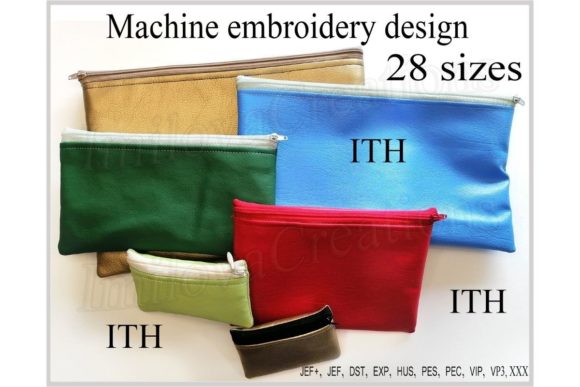
Setting up for a craft fair, my table is a puzzle of potential. There are the trusty staples—tote bags, aprons, and tea towels—that always draw a crowd. But the real magic happens with those smaller, gift-ready items that catch a customer’s eye as they browse. That’s where a project like the In the Hoop Blank Cosmetic Bags comes into sharp focus. As an embroidery designer, reviewing a new design for production isn't just about aesthetics; it’s a practical evaluation of its sellability, production ease, and display impact. Let’s walk through that process.
First Impression: Clean, Stylish, and Giftable
The description promises a stylish cosmetics bag with clean interior seams and no visible embroidery inside. This immediately signals a premium, finished feel. In the world of handmade craft fair products, “clean” means professional. It suggests a design that isn't just decorative but thoughtfully constructed. The mood leans modern and minimal, which has broad appeal. It’s not overtly farmhouse or rustic, nor is it overly cute or funny. This gives it versatility. At a market booth, it can attract the customer looking for a chic, functional accessory, not just a novelty item.
Where It Stands on the Display Table
Imagine your booth: a cascade of embroidered items. Larger pieces like pillow covers and market bags establish your brand, but smaller items like pouches and patches drive impulse sales. The In the Hoop Cosmetic Bag sits perfectly in that sweet spot. It’s a tangible, useful handmade product—people instantly understand its purpose. Placed next to embroidered caps or a stack of tea towels, its polished, self-contained nature makes it stand out. Customers notice neatness. The promise of “no open seams inside” is a quality detail you can physically demonstrate by opening a sample, building trust in your craftsmanship.
Performance Across Product Types
While this is designed specifically as an in-the-hoop bag, evaluating its style helps us understand its broader commercial potential. The aesthetic described would translate beautifully to other Accessories.
- Tote Bag Design: A scaled-up version of the bag’s motif could be a stunning focal point on a canvas tote.
- Apron Embroidery: As a smaller accent on a pocket or corner, it would add a sophisticated touch.
- Tea Towel Embroidery: Its clean style would work well on linen, avoiding the overly dense stitching that can stiffen a towel.
- Embroidered Patch: This design could be adapted into a standalone patch, appealing to a different, modern market.
The key is that its “stylish” and “clean” description implies a design with good composition and likely balanced stitch density. This versatility is a huge asset for an embroidery business looking to build a cohesive line of products.
Practical Selling and Production Points
Turning a digital embroidery file into profitable booth inventory requires a cold, hard look at the logistics.
Understanding at a Glance
For a customer at a fair, a design needs to communicate quickly. Does this cosmetic bag design feel bold and graphic, or is it intricate and detailed? Based on the description, I’d lean towards a design that is easily comprehensible—a clear, appealing motif. This is crucial. It photographs well for Etsy listings and grabs attention in a busy booth. If the design is too complex with tiny details, it might lose customers who can’t appreciate it from a few feet away.
Batch Production and Repeatability
Is this a design I can efficiently batch? The in-the-hoop construction is a plus—it means the entire product is created in one process. The attached tutorial and video manual are invaluable for streamlining production. Before running a dozen bags, however, I must answer critical questions about the design itself. What is the hoop size required? Are there areas of extremely dense stitching that will slow down the machine and consume more thread? Small lettering or minute elements can be frustrating to produce repeatedly and may lose clarity on textured fabrics. I strongly advise checking these details in the actual file before committing to bulk production.
Careful-Use Notes for the Embroidery Designer
Here is the real-world checklist I run through before any design hits my production schedule.
- Test on Scrap Fabric: Always embroider the design on a spare piece of the actual bag material. Check for puckering, and assess the thread contrast.
- Review Spacing and Scale: Does the design fit the bag dimensions well? Is it too large, becoming overwhelming, or too small, looking lost?
- Inspect Stitch Density: High-density areas on a functional bag can create stiff, uncomfortable spots. The “clean” interior suggests attention to this.
- Use the Right Stabilizer: For a structured bag, choosing the correct stabilizer is paramount to a clean finish and no visible interior seams.
- Create a Real Mockup: Never rely solely on a printable mockup. Make one complete, finished bag. This is your booth sample and your proof of quality.
- Compare Fabric Colors: How does the design look on light versus dark fabric? Some designs shine on one but fade on another.
- Confirm Commercial Licensing: Before selling finished products, verify the license for the machine embroidery design. This is a non-negotiable step for any small shop product or commercial embroidery venture.
These steps directly affect visual appeal, customer attention, and ultimately, product value. A well-executed, clean bag looks professional, increases perceived worth, and strengthens your entire brand consistency.
The Final Booth Strategy
For my upcoming fair, I would position the In the Hoop Blank Cosmetic Bags as a premium, gift-oriented item. I’d display a few in different color schemes to show versatility. Opening one to show the clean interior would be a key demonstration point. Its stylish, minimal aesthetic allows it to pair well with my other items—it doesn’t clash with more rustic tea towels or bold tote bags. This design, if executed as described, becomes more than just another pouch; it’s a testament to thoughtful, quality embroidery craftsmanship. It engages buyers by showing a complete, useful product where the embroidery is integral to its beauty, not just an added decoration. In a crowded marketplace, that clarity and quality are what make a product—and a booth—truly stand out.