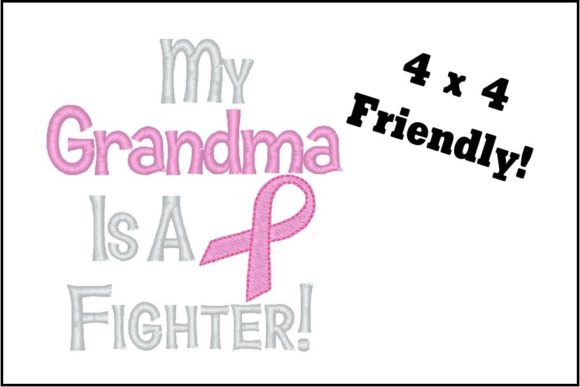
Fighter Grandma: A Design Review for Real-World Projects
When you’re evaluating embroidery files for client projects or your own small shop products, the first impression is crucial. It tells you about the mood, the potential application, and whether it will stitch out reliably. The Fighter Grandma design hits you with a specific, warm, and slightly cheeky personality right away. The phrase itself, presented in a straightforward style, creates an instant emotional connection—a blend of affection and strength.
The Mood and Its Natural Habitat
The theme is clear: it’s a celebration, a badge of honor. This isn’t a generic floral motif; it’s narrative. The simplicity of the layout means the message is the star, which is perfect for personalized gifts and custom apparel where sentiment drives the sale. As a designer, I see it naturally belonging to items that tell a story. Think of a custom embroidered tote bag for a new grandmother, or a soft, high-quality sweatshirt as a holiday gift from the grandkids. The Awareness category fits perfectly—it’s raising awareness of a role, an identity.
While the description mentions baby bibs and bodysuits, don’t let that limit your thinking. This machine embroidery design has a flexible charm. I’ve mentally pictured it on a kitchen towel in a grandmother’s home, a pillow cover for a nursery recliner, or even as a small, subtle embroidered patch on a canvas backpack. For Etsy sellers and boutique branding, it’s a design that can anchor a whole line of “grandmother” themed products, from aprons to blankets.
Performance in Real Embroidery Situations
So, how does Fighter Grandma translate from a digital file to a real, stitched finished product? The claim of simplicity is a big advantage here. Simple often means cleaner stitching, fewer thread changes, and less risk of dense, puckered areas. For baby embroidery on delicate bodysuits or thin bib fabric, a design with lower stitch density is a godsend. It will lie flatter and withstand washing better.
On thicker mediums like tote bags or caps, it will stitch out crisply. The lack of intricate, tiny details means you won’t lose definition on textured fabrics or on curved surfaces like hats. This reliability builds customer trust—they receive a clean, professional-looking item, and that supports your reputation as a maker.
Where to Use—and Use Carefully
This design’s flexibility is a strength, but a professional always considers context. On very small hoop sizes, the lettering must remain legible. Always test on scrap fabric first, especially if you’re planning to stitch it onto a dark fabric background. Check your thread color contrast; a white or bright satin stitch on a navy sweatshirt will pop, but a pale pink might get lost.
While it’s likely not overly dense, any design needs proper stabilizer on stretchy fabric like t-shirts to prevent distortion. Also, consider the end-use. For baby clothes that need frequent washing, opting for a smooth, durable thread and possibly simplifying any extremely small decorative accents (if present) will ensure longevity. I’d avoid using it on overly layered garments where the embroidery might sit on a seam or pocket, creating an uneven surface.
Affecting Appeal and Value
From a commercial perspective, Fighter Grandma adds clear value. It turns a plain baby bib or a standard apron into a meaningful handmade product. That emotional resonance increases its giftability and perceived value. For craft business items, it helps with brand consistency if you’re known for heartfelt, family-oriented designs.
The visual appeal is direct and warm, which boosts buyer engagement in online listings. A clean stitch-out photograph or a well-made printable mockup showcasing this design on a product can immediately tell a customer what the item is about. It creates recognition. A grandma, or someone buying for a grandma, sees it and understands it instantly. That clarity is gold for small shop product listings.
Practical Designer Notes Before You Hoop
Before running this embroidery file for a client order or stocking your craft fair inventory, do your homework. Test it. Not just on one fabric, but on a light and a dark scrap to see how the stitch density and thread colors behave. Inspect the small details in the stitch-out—are any corners too tight? Does the lettering stay clear at your intended size?
Consider its use in both personal and commercial projects. If you’re selling the finished embroidered items, confirm the licensing terms for the digital embroidery file. Most importantly, think about the final product’s life. If it’s going on a baby item, will those stitches survive the washer? A quick test on a similar fabric, washed a few times, gives you peace of mind and prevents unhappy customers.
Finally, the description mentions the design is easy to customize. This is a powerful feature for personalized gifts. Imagine adding a name or a date below the phrase. That adaptability makes it a versatile design asset for your library. But always check that any customization doesn’t compromise the stitch integrity—adding elements can change the required hoop size and balance.
A Confident Choice for Specific Projects
In summary, Fighter Grandma isn’t a universal, all-purpose design. It’s a specific, sentiment-driven tool. Its strength is its clarity and emotional punch. For projects celebrating grandmothers—whether a boutique baby set, a personalized holiday gift sweatshirt, or a series of kitchen towels for your Etsy shop—it performs reliably and adds significant value. Its simplicity is its professional virtue, leading to clean stitch-outs and satisfied customers. Approach it with a practical mindset: test it, match it to the right product, and use it where its story will be appreciated. Then, stitch it with confidence.