Evaluating Baseball Cap as a Branded Merchandise Embroidery Design
First Impressions for a Business Brand
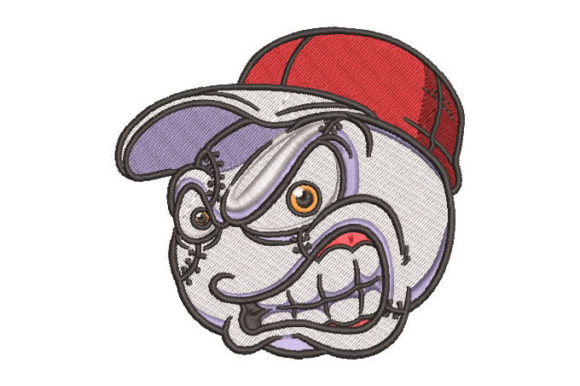
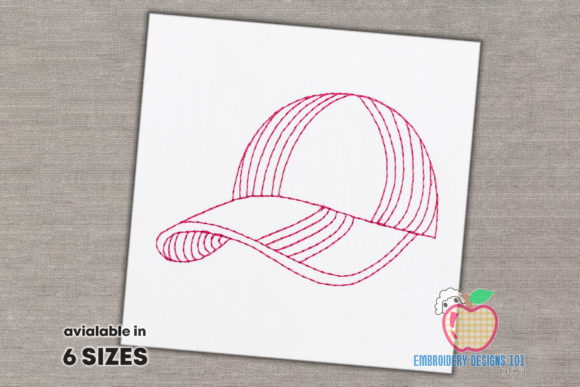
From a professional embroidery designer's perspective, the Baseball Cap design presents itself immediately as a playful and adventurous accent. The description suggests a simple and cute sports aesthetic, which translates to a design that feels friendly and approachable. This is a crucial first impression for small businesses looking to connect with their community. It doesn’t scream corporate or overly slick; instead, it leans towards a handmade or craft-oriented vibe. For a café, boutique, creative studio, or local pet brand, this personality can be a significant asset, fostering a sense of authenticity and warmth.
Real-World Business Applications: Beyond Decoration
This isn't just a decorative file; it's a potential brand identity tool. Let’s break down its practical applications for small business merch and custom apparel.
- Embroidered Patches: Baseball Cap could excel as a standalone patch for tote bags, aprons, or gym bags. Its described "adventurous accent" suggests it might have enough visual interest to stand alone as a badge of belonging for staff or a sellable product for customers.
- Staff Uniforms & Workwear: Imagine this design as a subtle sleeve detail on a bakery shirt, a chest logo on a florist’s polo, or the central mark on a café apron. It can elevate standard custom apparel into branded, professional-looking uniforms.
- Cap Embroidery: Naturally, as a cap design, it would be a direct fit. For businesses offering branded caps as customer gifts or event merch, this design provides that sporty, energetic feel.
- Tote Bag Design: A tote bag is a staple for boutiques and handmade shops. Embroidering Baseball Cap onto a canvas tote creates a premium, durable finished product that customers use daily, extending brand visibility.
- Product Packaging & Labels: For craft businesses or Etsy sellers, a small embroidered version on a product tag or label adds a tangible, quality touch to a handmade product.
Critical Considerations for Professional Execution
Turning this digital embroidery file into successful commercial embroidery requires a designer’s practical scrutiny. Here’s where you must pay attention.
Scale and Placement Challenges
The description mentions it's suitable for "many more items," but we must be strategic. Baseball Cap should be evaluated carefully for:
- Small Patch Sizes: If the design has intricate details or tiny lettering, reducing it for a tiny product label might cause stitch crowding and loss of clarity.
- Cap Fronts & Curved Surfaces: Embroidering on a curved cap panel requires a design that can adapt to the shape without distortion. Test the file on a real cap before bulk production.
- Dark Uniforms: Thread color contrast is paramount. On a black work shirt, the design’s "adventurous accent" might vanish if the suggested thread colors are too light or low-contrast.
- Items for Frequent Washing: High stitch density can make an embroidery stiff and prone to wear on frequently laundered aprons or shirts. A balanced density is key for durability.
The Designer’s Pre-Production Checklist
Before running this for a client’s merchandise, I always follow these steps:
- Test in Black and White First: Stitch out a single-color version to assess the core structure and outlines without color complexity.
- Check Performance at Small Size: Hoop it at the smallest intended size (e.g., for a product label) to see if details remain clean.
- Review Thread Color Contrast: Plan thread palettes specifically for your target fabrics—dark uniforms need bold, bright threads.
- Inspect Spacing and Jump Stitches: Look for any unnecessary long jumps that could affect production speed and stability.
- Confirm Hoop Size Requirements: While the description mentions it comes with multiple files, verify the actual hoop size compatibility for your specific machines and items.
- Test on Real Fabric: Don't just stitch on test cloth. Run it on a sample of the actual fabric—a textured canvas tote bag, a twill cap, a poly-cotton uniform shirt—using the proper stabilizer.
- Create a Printable Mockup for Client Approval: Before stitching physical samples, integrate the design into a printable mockup of a cap, tote, or apron. This visual helps the client see it as part of their brand identity.
- Compare Beside Other Design Assets: Place the embroidered sample beside your client’s logo, fonts, and other visuals to ensure visual consistency across all merch.
- Confirm Commercial Licensing: The description does not specify license terms. It is imperative to verify the commercial licensing of this machine embroidery design before using it for business products.
Impact on Brand Identity and Customer Perception
Ultimately, the choice of an embroidery design like Baseball Cap directly influences how a business is perceived.
When executed well, it enhances professionalism. A clean, crisp embroidery on a staff apron signals attention to detail and care. It builds customer trust and recognition—a recurring visual mark on merchandise makes a brand memorable. For a handmade presentation, embroidery inherently adds value, transforming a simple t-shirt or bag into a premium finished product. This increases product value and can deepen buyer engagement, as customers often cherish well-made branded items.
However, a poorly executed embroidery—one that is too dense, poorly placed, or lacks contrast—can undermine these very goals. It can make a brand look amateurish. Therefore, treating Baseball Cap not as a mere decoration, but as a critical design asset in your business’s visual toolkit, is the key to unlocking its true potential for your café, studio, shop, or local brand.