A Designer's Review: The Practical Heart of "I Heart My Grandparents"
When a new embroidery file lands on my desk, I’m not just looking at pixels on a screen. I’m picturing it on fabric, under a hoop, threaded up and ready to stitch. I’m thinking about the final product—the tote bag hanging in a boutique, the sweatshirt wrapped as a gift, the baby blanket cherished in a nursery. So, when I evaluated "I Heart My Grandparents," my first question was: does this design feel real?
The Immediate Mood: Simple, Warm, and Uncluttered
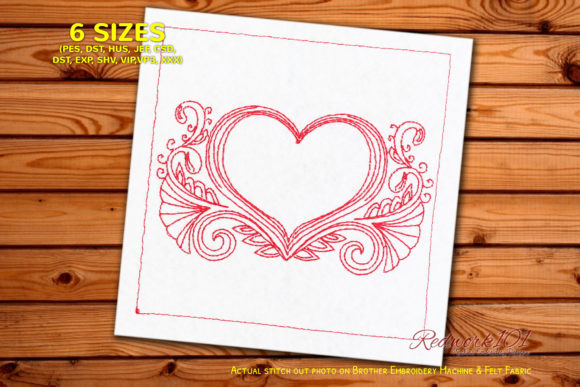
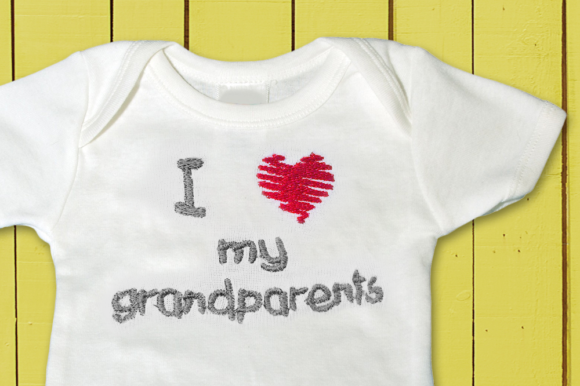
The title tells you exactly what you’re getting: a heart-centered declaration of love. The first impression is one of clean warmth. It’s not overly sentimental or fussy; it’s straightforward and sincere. This visual personality is a strength. For a handmade product or personalized gift, this clarity matters. Customers don’t have to decipher the message; they feel it immediately. That’s a valuable emotional shortcut in design, especially for a theme like grandparents, where the connection is deeply personal but universally understood.
This simplicity makes "I Heart My Grandparents" incredibly versatile. It naturally belongs on items meant to convey affection without shouting. Imagine it stitched neatly onto a linen kitchen towel for Grandma, or as a subtle accent on the corner of a grandpa’s cap. Its layout feels balanced, avoiding extreme detail that could get lost on textured fabrics. As an embroidery designer planning client projects, I see this as a reliable, go-to asset for creating products that look intentionally crafted, not just decorated.
Where This Design Stitches Up Perfectly
Let’s talk real-life embroidery situations. I envision a custom sweatshirt, perhaps for a grandchild to give. The design’s likely composition—a central motif with clean lettering—would stitch out with good clarity on fleece-backed cotton, provided a solid stabilizer is used. On a tote bag, it would become a durable, everyday statement. For baby clothes or nursery decor, like a small blanket, its sweet theme would be a hit, though careful consideration of fabric weight and stitch density would be key to ensure it’s gentle enough for delicate textiles.
As a small business owner selling at craft fairs or on Etsy, this machine embroidery design is a commercial friend. It’s easily adaptable. You could offer it as a ready-made embroidered patch, appliqué it onto aprons, or use it for bespoke pillow covers. For digital product sellers, it’s a strong asset for creating printable mockups that show potential—the design is recognisable and emotionally engaging, helping buyers visualize the finished product on their own items.
A Practical Scenario: Preparing a Holiday Gift Tote
Here’s a natural scenario. A client requests a custom tote bag as a holiday gift for their grandparents. They want something usable and heartfelt, not overly festive. "I Heart My Grandparents" comes to mind. I’d consider a natural canvas fabric. The design’s likely satin stitch borders and fill stitch heart would pop with good thread color contrast, say, a classic red heart on a neutral bag. The stitching would be clean, the message direct. It feels giftable because it’s both practical and personal, elevating a simple tote into a keepsake. This is where the design’s value shines: it boosts the perceived craftsmanship of the final product, fostering customer trust in your handmade presentation.
Careful Placement: Where to Mind Your Hoop
No design is universally perfect, and a professional review must highlight considerations. The charming simplicity of "I Heart My Grandparents" also means its impact relies on clear stitching. On very small hoop sizes, any tiny lettering within the design could become challenging, risking lost detail. Textured fabrics like terry cloth or highly stretchy fabrics require extra stabilizer strategy to keep those clean lines intact.
Dark fabric backgrounds demand thoughtful thread color choices—you might need brighter, contrasting hues to maintain the warm mood. On curved surfaces like caps, the design’s layout needs to be tested; a central, compact motif would fare better than a wide, sprawling one. For products destined for frequent washing, such as kitchen towels or apparel, reviewing the stitch density in the file beforehand is crucial. Too dense, and it becomes stiff; too light, and it may not endure. Always test on scrap fabric first.
Notes for the Embroidery Designer's Workflow
Before committing this design to a client project or your small shop merchandise, run through these practical checks:
- Stitch it out on a scrap of your intended project fabric first. This reveals true thread behavior and density.
- Check the design in both black and white digital mockups. How does the silhouette hold up? Does it rely solely on color for impact?
- Compare how it looks on light versus dark fabric backgrounds in your software preview. Plan your thread palette accordingly.
- Always use the proper stabilizer for your base material—this is non-negotiable for stitch clarity.
- If you intend to sell the finished embroidered items commercially, confirm the licensing terms of the embroidery file. Does it allow for commercial use of the final product? Never assume.
The Lasting Impression: Why This Design Works
"I Heart My Grandparents" succeeds because it understands its role. It’s not trying to be the most intricate design in your library; it’s aiming to be the most reliably effective for a specific, heartfelt niche. For creative entrepreneurs and makers, this translates into a design that supports brand consistency if you specialize in family-themed or personalized gifts. Its recognisable theme engages buyers quickly, whether they’re scrolling through Etsy listings or seeing it on a boutique’s shelf.
From a professional standpoint, a design like this affects more than just stitching. It affects your workflow efficiency and your customer’s satisfaction. When a design stitches out cleanly, adapts well to multiple products, and conveys its message without complication, it becomes a trustworthy asset in your toolkit. It makes the embroidery project smoother from hoop to finished product.
In the end, my judgment of "I Heart My Grandparents" is positive. It feels like a design built for real use, not just for display. It invites you to stitch it onto something tangible and give it to someone who will truly appreciate it. That’s the practical heart of embroidery—and this design seems to have it.