A Classic One Way Sign for Modern Embroidery Projects
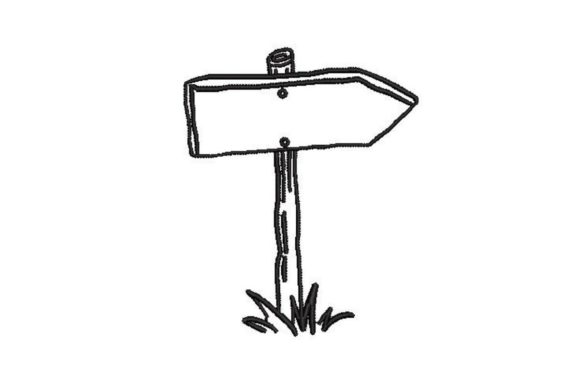
When I first opened this One Way Sign embroidery design, the immediate impression was a clean, graphic, and surprisingly versatile piece. It’s a classic symbol, stripped down to its essential, iconic form. This isn’t a overly detailed illustration; it’s a statement. The layout feels balanced, with the arrow and text occupying space in a way that suggests it will stitch out with clear, bold lines. The mood it creates is straightforward, a bit vintage, and quietly authoritative. It has a visual personality that could be playful on a child’s item or sleek and modern on a minimalist tote.
Where This Design Finds Its True Direction
In real-life embroidery, this design’s strength is its adaptability. I envision it perfectly on a durable canvas tote bag, creating a witty, travel-inspired accessory. On a heavyweight sweatshirt, positioned on the chest or sleeve, it becomes a cool, graphic element for casual apparel. For a baby’s blanket or nursery decor item, using softer pastel thread colors could turn the stern “One Way” into a gentle, humorous nod to parenthood. As an embroidered patch, it’s ideal—the bold shapes would hold up well when applied to a backpack or jacket.
The design also feels right for personalized gifts. Imagine it on a set of kitchen towels for a new homeowner, or a pillow cover in a guest room. For small business merchandise, like a boutique’s branded apron, it conveys a sense of curated style. It’s a strong candidate for craft fair products or Etsy listings where a single, recognizable image can make a product stand out quickly. In a commercial embroidery context, such as for a corporate event gift with a travel theme, it offers professional, easily reproducible results.
The Fabric and Project Considerations
While this machine embroidery design is flexible, its application requires some practical thought. The clear, likely satin stitch borders and fill stitch areas mean stitch density is important. On thin or stretchy fabrics like lightweight t-shirts, you’ll need excellent stabilizer to prevent puckering and maintain the sharp edges of the arrow. On textured fabrics like some sweaters, the design’s clarity might soften, which could be a desired effect for a rustic look, but not if you want crisp lines.
Dark fabric backgrounds demand careful thread color contrast. A white or bright yellow thread would pop, but a low-contrast color scheme might lose the design’s impact. On curved surfaces like caps, the design’s rectangular shape needs to be hooped and positioned carefully to avoid distortion. The small lettering for “ONE WAY” is a detail to inspect closely during a test run; on very small hoop sizes, these tiny letters must stitch cleanly without merging. For products destined for frequent washing, like baby clothes or kitchen linens, ensuring the stitch coverage is secure and the threads are anchored well is key for longevity.
How It Elevates a Finished Product
From a designer and seller’s perspective, a well-executed One Way Sign embroidery adds significant value. Its visual appeal is immediate and easily understood, which boosts customer engagement. On a handmade product, its clean execution speaks to craftsmanship and builds customer trust. For brand consistency, if your shop has a travel, vintage, or graphic theme, this design becomes a cohesive asset. Its giftability is high—it’s a fun, niche item that feels thoughtfully chosen. The professionalism comes from the final, clean stitching, turning a simple symbol into a premium-looking accent.
A Real Scenario: Preparing a Custom Embroidered Tote
Let’s walk through a real case. I’m preparing a custom embroidered tote bag for a client who runs a small travel blog. They want a simple, iconic design for a giveaway item. I pull up this embroidery file. My first step is always to test it on scrap fabric—a piece of canvas similar to the tote. I check the thread color contrast, deciding on a classic black design on a natural canvas bag. I review the stitch density on my test piece; it’s substantial but not overly dense, which is good for a bag that will be folded and used actively. I confirm the hoop size needed fits the area on the tote’s front panel.
I inspect the small details, particularly the corners of the sign and the tiny lettering. On my test, they stitch out clearly. I also run a quick black and white digital mockup for the client, and compare how it would look on both light and dark background options. Using a proper, tear-away stabilizer for the canvas is essential here. Before finalizing, I confirm the licensing terms for this digital embroidery file for commercial use like this client project. The final stitched tote presents a sharp, graphic statement. It feels boutique, not generic, and the client’s audience will recognize and appreciate the witty travel reference immediately.
Practical Notes for Every Embroidery Designer
Before committing this design to a project, especially for a business or client, a few notes are non-negotiable. Always, always test on scrap fabric first. This reveals how it interacts with your specific machine, thread, and material. Play with thread colors—sometimes a deviation from the expected red or black can make it unique. Check the provided embroidery file formats for your machine’s compatibility. Assess whether the design’s scale works for your intended hoop size; a very small version might lose detail.
For craft business items or Etsy sellers, consider how it will look in your printable mockups and digital product previews. The design’s clarity in those images sells the final product. If you’re using it for both personal and commercial projects, double-check the usage rights. Finally, think about the end product’s life: if it’s a baby embroidery item, will the stitches withstand gentle washing? If it’s a sweatshirt embroidery, will it hold up on the stretchy area of the sleeve? This One Way Sign design is a high-quality tool, but its success depends on your thoughtful application. It’s not just a file; it’s a potential centerpiece for a memorable handmade product, personalized gift, or small shop product that points your customer’s interest right toward your work.